Built for the Handoff
The warehouse isn’t always the answer. Sometimes the answer is a platform, a process, and a well-placed transfer point.
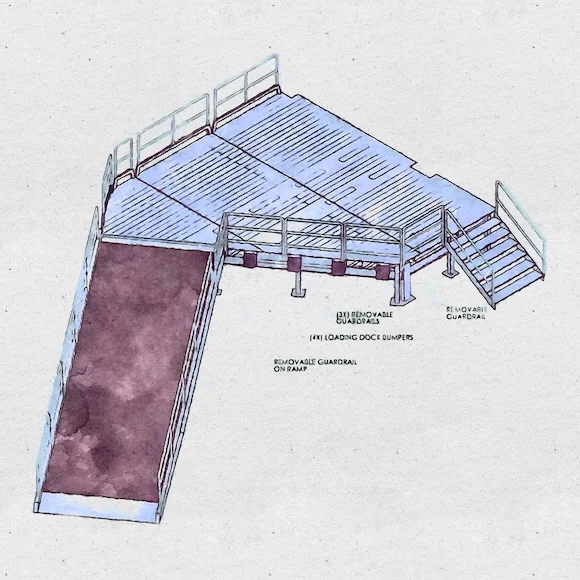
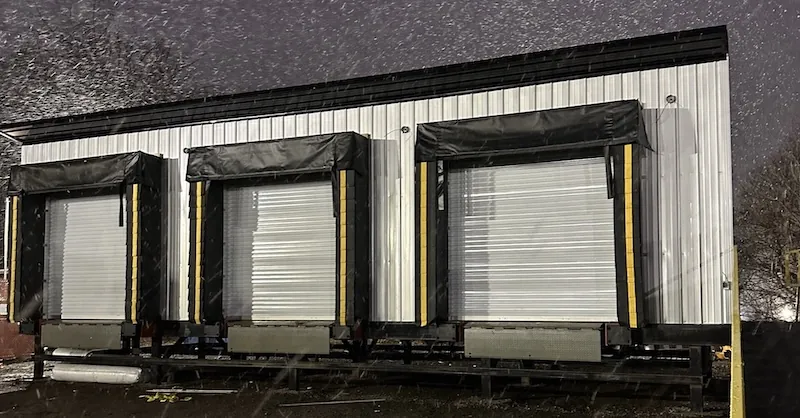
Cross-docking has long been the province of large-scale logistics operations with the infrastructure budget to match. What’s changed is the access. Modular cross-docking platform systems now bring that operational capability to mid-size distributors, regional logistics operators, and specialty handlers who need the function without the fixed facility commitment. The applications span industries. The underlying requirement doesn’t.
Cold Chain, Hot Clock
A regional food distributor running temperature-sensitive product faces a physics problem as much as a logistics one. A 53-foot refrigerated trailer arrives from a processing facility 400 miles out. The urban delivery points on today’s route don’t accommodate that footprint. The product needs to transfer to a local fleet of smaller refrigerated vehicles, fast, without a break in the cold chain and without entering a storage environment that resets the clock on shelf life. A cross-docking platform positioned at the transfer point handles the handoff cleanly. Product moves from long-haul to local without touching a warehouse floor.
The Final-Mile Node
A logistics operation running regional freight into a dense metro market needs somewhere for the handoff between long-haul carriers and final-mile delivery fleets to happen efficiently. That transfer node is the operational linchpin, and it doesn’t need to be a permanent facility. A modular cross-docking platform creates the infrastructure for inbound loads to be broken down, sorted by delivery zone, and staged for last-mile dispatch. The node moves product forward. Nothing sits.
Sort, Stage, Ship
A recycler managing inbound material streams faces a different version of the same problem. Mixed loads arrive, need to be sorted by material type, and staged for outbound transport to processors. A cross-docking platform provides the structured staging environment that makes that sort efficient and the outbound transfer orderly. The platform isn’t storing anything. It’s organizing movement.
Three industries. Three operational contexts. One consistent requirement: product comes off one truck and goes onto another, and the platform is what makes that possible at scale, at speed, and at the local level where it matters most.